What Are PFAS and What You Need to Know PFAS in Connecticut

PFAS are a serious environmental and health concern. They are persistent, bioaccumulative, and have been linked to a number of health problems. More research is needed to fully understand the extent of the risks posed by PFAS; however, it is clear that they pose a threat to both human health and the environment.

WS 4
Hard Water Buildup
Hard Water Buildup

Origins of PFAS

Per- and polyfluoroalkyl substances (PFAS) are a group of man-made chemicals that have been used in a wide variety of products for decades. They are known for their water- and stain-repelling properties and have been used in products such as nonstick cookware, food packaging, firefighting foam, and carpets.

The first PFAS was invented in the 1930s, and their use grew rapidly in the following decades. By the 1970s, PFAS were found in a wide range of products, and they were considered to be safe. However, in the 1990s, scientists began to learn more about the potential health risks of PFAS.


Connecticut Department of Health regarding PFAS

Health Problems PFAS Can Be Linked To

PFAS & Health

PFAS are now known to be persistent in the environment, meaning that they can take hundreds or even thousands of years to break down. They can also bioaccumulate, meaning that they can build up in the bodies of animals and humans over time. PFAS have been linked to a number of health problems, including cancer, thyroid disease, and reproductive problems.

In recent years, there has been growing concern about the presence of PFAS in the environment. PFAS have been found in water, soil, and air, and they have been detected in the bodies of people and animals all over the world.

The United States Environmental Protection Agency (EPA) is currently working to assess the risks of PFAS and to develop regulations to reduce their use. However, PFAS are still widely used in a variety of products, and they are likely to remain in the environment for many years to come.

Origins of PFAS

PFAS & Health

Per- and polyfluoroalkyl substances (PFAS) are a group of man-made chemicals that have been used in a wide variety of products for decades. They are known for their water- and stain-repelling properties and have been used in products such as nonstick cookware, food packaging, firefighting foam, and carpets.

The first PFAS was invented in the 1930s, and their use grew rapidly in the following decades. By the 1970s, PFAS were found in a wide range of products, and they were considered to be safe. However, in the 1990s, scientists began to learn more about the potential health risks of PFAS.

Connecticut Department of Health regarding PFAS

What You Should Know At This Point About PFAS and What You Can Do

Is it in Connecticut?

A recent US Geological Survey study shows that much of Connecticut's public groundwater supply areas, including areas serving the state's largest cities, have a high probability of PFAS contamination. Almost all of southwestern Connecticut and the coastline, along with much of central Connecticut, CT News Junkie show a probability greater than 75% that groundwater contains PFAS.

Detectable levels of PFAS have been found in portions of seven different water utilities across Connecticut, which supply thousands of customers. These include systems in Colchester, Cromwell, and Hazardville (Enfield). CT Mirror

Notable Contamination Incidents:

In 2019, PFAS were detected in fish caught in the Farmington River after firefighting foam spilled into the water from Bradley International Airport. In 2021, state officials issued an advisory against eating fish caught at certain spots along the Hockanum River in Vernon, Manchester and East Hartford. CT Insider

A private study identified 693 locations in Connecticut that appeared to be candidates for PFAS contamination, including both abandoned sites and active businesses. CT Insider

Connecticut's Response:

Connecticut has established individual health-based drinking water Action Levels for 10 PFAS compounds and formed an Interagency Task Force to address the issue. CT.gov

The EPA announced $18.9 million in February and an additional $7.6 million in April for Connecticut to address PFAS in drinking water. CT Insider

Good News: Some major water systems, like the Metropolitan Water District (serving Hartford and surrounding towns), have tested and not detected PFAS in their supplies.

Since you're in Ridgefield (southwestern CT, an area with higher probability of contamination), you may want to check with your local water utility for their specific PFAS testing results.

Is it in New York?

Yes, PFAS has been found extensively in New York. Here's the situation:

Extent of Contamination:

About 50% of New York's public water systems have detected some level of PFAS contamination, an NRDCd about 250 public water systems have exceeded the state's PFOA and PFOS drinking water standards.

According to EPA data analyzed by the Environmental Working Group, there's a large concentration of impacted water systems in Nassau County on Long Island, as well as parts of Woodbury, Newburgh, Pleasant Valley, Fishkill, and upstate New York. Patch

An estimated 189 New York drinking water systems, serving over 1.3 million people, have had PFOA and PFOS at levels ranging from 4 ppt to 10 ppt. EWG

Notable Contaminated Areas:

New York has been an epicenter of PFAS contamination, from Hoosick Falls and Newburgh to Long Island and Rockland County. Fox 5 NY

As of March 2025, PFAS have been detected in public water systems in Westchester, Rockland, Nassau and Suffolk counties. CBS News

New York City: New York City does not have a PFAS issue in its main water supply. PFAS has never been detected in the unfiltered Catskill-Delaware system. PFAS has been detected in water from the smaller Croton System in 2021 and 2024, but at levels well below state and federal limits. City of New York

Regulations: New York was one of the first states to develop its own drinking water standards for PFOA and PFOS in 2020, setting maximum contaminant levels of 10 parts per trillion. New York State Department of Health The EPA's stricter federal standard of 4 ppt is currently facing legal and political challenges.

Since you're in Ridgefield, CT (near the NY border), you're close to Westchester County, which has detected PFAS in some water systems.

Reference Articles

  • *

    PFAS in Drinking Water

    Health concerns of PFAS in drinking water

  • *

    Connecticut PFAS Standards

    From the Environmental Health and Drinking Water Branch

  • *

    PFAS Found in Hawaii Wells

    Hundreds of Hawaii residents rely on bottled water

  • *

    Bottled water contains hundreds of thousands of potentially dangerous plastic fragments: Study

    A new study has found that the average bottle of water contains nearly a quarter million fragments of “nanoplastics” — plastic particles so small they can potentially gum up the machinery of human cells.

Where PFAS Can Be Found

  • *

    Water

    PFAS have been found in surface water, groundwater, and drinking water.

  • *

    Soil

    PFAS have been found in soil near industrial sites and landfills.

  • *

    Air

    PFAS have been found in the air near industrial sites and airports.

  • *

    Food

    PFAS have been found in food, including meat, dairy, and fish.

  • *

    Animals

    PFAS have been found in the bodies of animals,

  • *

    Humans

    PFAS have been found in the bodies of humans, including blood, serum, and breast milk.

Water Hardness Table

Here is a water hardness table for your reference. A simple water test will determine the water hardness in your home and allow us to determine how to best treat your water. Additionally, we test for other components in your water which we will go over with you. Whatever you decide regarding water treatment is completely your decision. Our job is to provide all of the data and the corresponding treatment solutions.

Water Hardness Level Grains Per Gallon (GPG)
Soft Water0 - 1 gpg
Slightly Hard Water1 - 3.5 gpg
Moderately Hard Water3.5 - 7 gpg
Hard Water7 - 10 gpg
Very Hard WaterOver 10.5 gpg
Water Softener

Pro H2O Water Softener Systems

  • Protects Plumbing Systems - Prevents mineral deposits from accumulating in pipes, fixtures, and faucets, reducing clogs and maintaining proper water pressure.
  • Reduces Cleaning Time and Effort - Eliminates soap scum buildup on shower doors, bathtubs, and sinks, making bathroom cleaning much easier.
  • Lower Energy Costs - Water heaters operate much more efficiently without mineral buildup from hard water, potentially reducing energy bills by up to 25%.
  • Better Water Flow - Helps to prevent scale buildup that can restrict water flow through pipes and fixtures over time.
  • Improves Soap and Detergent Effectiveness - Soft water allows soaps, shampoos, and laundry detergents to lather better and work more effectively, often requiring less product.
Twin Alternating Tank Water Softener

Pro H2O Alternating Water Softener

  • Twin Alternating  - The Pro H2O WS1 Twin Alternating Water Treatment System Softens Water and will save you money in many ways.
  • 24 Hour Soft Water- With the alternating system, you can ensure soft water 24 hours/day.
  • Lower Energy Costs - Water heaters operate much more efficiently without mineral buildup from hard water, potentially reducing energy bills by up to 25%.
  • Better Water Flow - Helps to prevent scale buildup that can restrict water flow through pipes and fixtures over time.
  • Improves Soap and Detergent Effectiveness - Soft water allows soaps, shampoos, and laundry detergents to lather better and work more effectively, often requiring less product.
  • Are You Ready to Take the Next Step?

    We are here to answer all of your questions and earn your business.
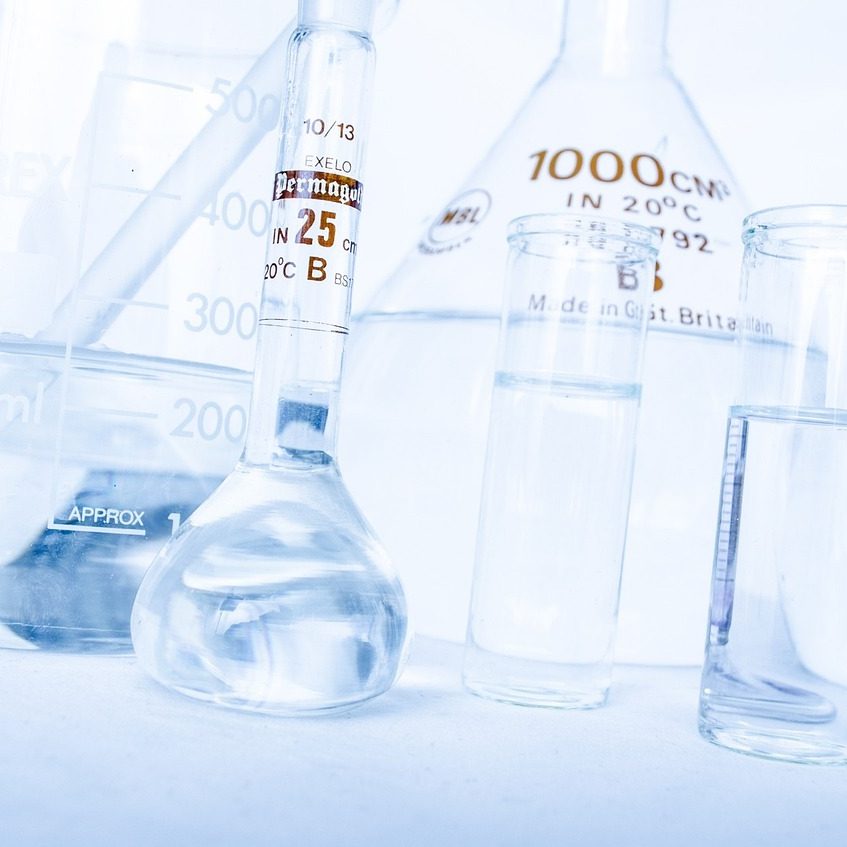
PFAS in Water

Frequently Asked Questions About PFAS

We will always do our best to keep you informed as well as answer any questions you may have. Please find some common questions below.

Why are they called "forever chemicals"?
Where are PFAS found?
Are PFAS harmful to health?
How do I know if my water has PFAS?
How can I reduce PFAS exposure?
Can PFAS be removed from water?
Are PFAS regulated?
Scroll to Top